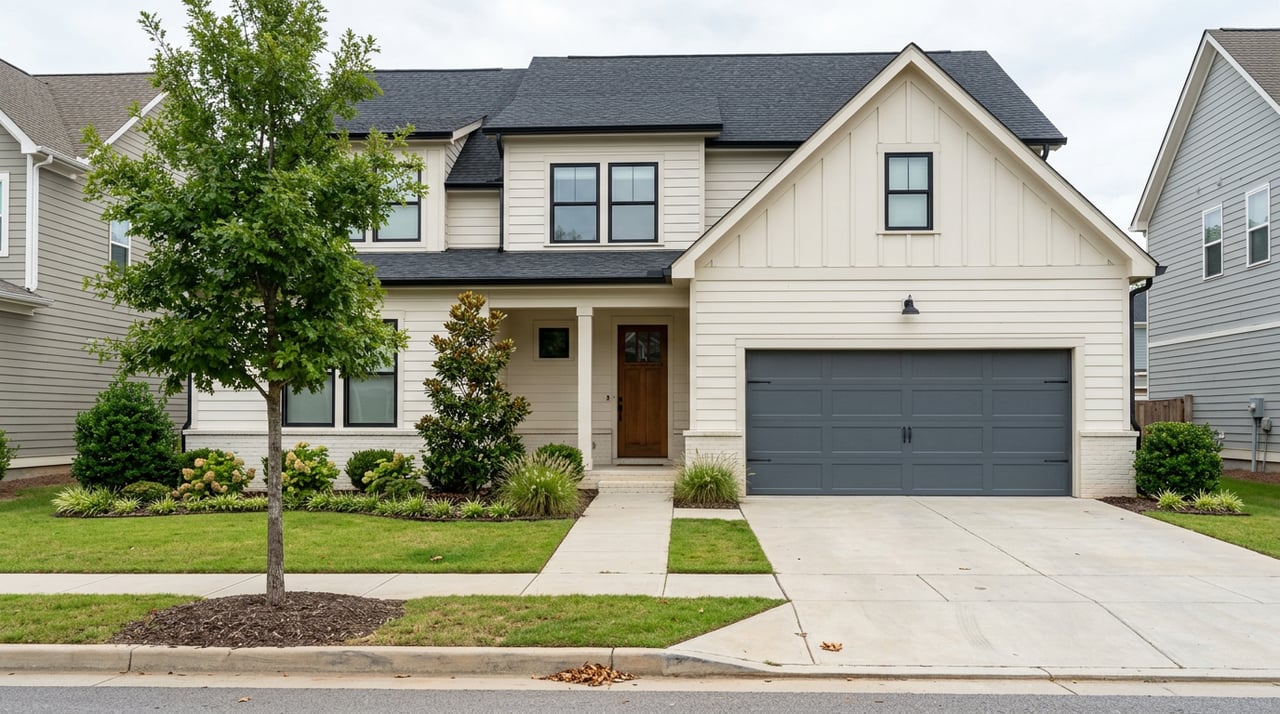
Torn between the charm of an older Cary street and the convenience of a brand-new community? You are not alone. As a move-up buyer, you want more space, less hassle, and a neighborhood that fits your daily routine. In this guide, you will see how established and newer Cary communities compare on lots, layouts, amenities, costs, commutes, and resale so you can move forward with confidence. Let’s dive in.
Cary market snapshot for 2026
Cary remains a high-demand Triangle hub with strong fundamentals. According to the Zillow Home Value Index for Cary (Jan 31, 2026), the typical home value is about $611,222, with a median sale price near $595,000. Different data providers track markets in different ways, so always check the date and series when you compare numbers.
Property taxes shape your monthly budget. The Town of Cary’s FY2026 municipal rate is $0.34 per $100 assessed value, and Wake County’s FY2026 county rate is about $0.5171 per $100. Using the ZHVI figure above as an example, the combined rate suggests roughly $5,239 per year in total property tax for a $611,222 home. This is an estimate to show the math. Use the actual assessed value for any property you consider and confirm current rates from the Town’s adopted budget. You can review the Town’s rates in the Town of Cary FY2026 tax announcement.
Inventory is higher than the pandemic low, and many builders have more completed homes. In early 2026, industry reports show a majority of builders offering concessions or incentives in some markets. That can create short-term leverage if you are comparing a new build to an existing resale.
What you will notice on tours
Established neighborhoods: space, shade, and character
You will often see mature trees, winding streets, and a mix of architectural styles. Neighborhoods like Lochmere, planned in the mid‑1980s and 1990s, highlight mature landscaping, multiple lakes, miles of trails, and community pools. Many established areas feel “settled,” with long-running clubs and neighborhood events that add everyday rhythm.
Lot sizes in older Cary subdivisions can be larger than what you will find in many recent phases of new development. Yards are often deeper, which can improve privacy and allow space for play, gardens, or future additions. Amenities vary by neighborhood. Some established areas include swim and tennis facilities or optional private club access nearby. Separate dues or memberships may apply, so plan for that in your budget.
Newer planned communities: modern layouts and central amenities
Newer communities are designed around today’s lifestyle. You will see open kitchens that flow into great rooms, flexible home office options, and larger primary suites. Builders also deliver energy-efficient systems and commonly include structural warranties, which can reduce near-term maintenance.
Neighborhood design often features pocket parks, a central clubhouse and pool, dog parks, and direct trail connections. For example, Green Level Trail in Cary emphasizes pocket parks, trail access, and modern floorplans. Newer single-family homes may sit on smaller, more efficient lots, often in the ballpark of about 0.14 to 0.18 acres for compact single-family products. Exact lot sizes vary by builder and phase, so review the plat and HOA documents for each property.
Touring checklist: what to look for
Established communities
- Mature canopy and shade, lot depth, and usable yard space.
- Age of roof, windows, and HVAC, plus recent upgrades or replacements.
- Trail access and proximity to parks or community facilities.
- Any legacy easements, drainage low spots, or septic considerations.
Newer communities
- Floorplan flow, finish levels, and placement of flex spaces.
- Site drainage and grading, especially around slab edges and downspouts.
- HOA covenants, amenity rules, and reserve funding in HOA documents.
- Warranty coverage, including structural and system-specific policies.
Ownership costs to compare
HOA dues and what they cover
HOAs are common in Cary, especially in newer planned communities. Nationally, about 41% of listings in 2024 included an HOA fee, and the median fee was around $125 per month. The local range varies by amenity set. For example, Green Level Trail lists an HOA fee of about $100 per month on the builder page. Dues can cover common-area upkeep, pools and clubhouses, landscaping, and insurance for shared assets.
Always request and review the full HOA package before you commit. Ask for the CC&Rs, current budget, reserve study, recent meeting minutes, and any special assessment history. Compare what is included, and look at the reserve funding to gauge future dues pressure.
Property tax math in Cary
- Town of Cary FY2026 municipal rate: $0.34 per $100 assessed value.
- Wake County FY2026 county rate: about $0.5171 per $100.
- Example using ZHVI (Jan 31, 2026) of $611,222: 611,222 divided by 100, then multiplied by the combined rate, yields roughly $5,239 per year. Use the exact assessed value and confirm current rates with the Town and County.
Taxes depend on assessed value and the adopted municipal and county rates, not the age of the house. A brand-new home with a higher assessed value may have a higher bill than an older home at a lower assessed value.
Maintenance and risk
New construction usually brings lower short-term maintenance and warranty support. Energy-efficient materials and systems can help with comfort and utility costs in the early years. For established homes, plan for capital items like roof, HVAC, and window replacement on a predictable cycle. A common rule of thumb is to budget about 1 to 2 percent of a home’s value per year for maintenance on older properties, though actual needs vary. Use your inspection report and contractor estimates to tailor your plan.
Lifestyle, commute, and everyday convenience
Commute patterns and transit options
Cary’s central Triangle location offers practical drive times to RTP, RDU, and downtown Raleigh. The American Community Survey shows a mean travel time to work of about 23 minutes for the Cary PUMA. Your commute will depend on your exact route and time of day, so test typical drives with your preferred map app during peak windows.
For transit, GoCary provides local routes and connects to regional GoTriangle services, including park-and-ride options. If you value transit access, compare route maps and current schedules when you evaluate each neighborhood.
Schools and enrollment logistics
Wake County Public School System (WCPSS) draws boundaries across Cary neighborhoods, and school assignment can change as the district updates attendance zones. Many buyers consider proximity to specific high school clusters, such as Green Hope and Panther Creek, but performance and reputation can evolve. Always verify current assignment with WCPSS and review the school’s official information for the most up-to-date details.
Parks, greenways, and everyday convenience
Cary is known for its greenways and park network. Established neighborhoods often deliver immediate shade and larger private yards, while many newer communities include pocket parks and internal trails that will mature over time. Think about how you like to spend weekends. If you want a shaded yard right away, older areas can deliver that now. If you prefer a modern clubhouse and playground a short stroll from home, newer communities can be a good fit.
Market dynamics and resale considerations
Builder incentives in 2025–2026
In early 2026, industry reports indicate a majority of builders are offering concessions or incentives in some markets. These can include price discounts, rate buydowns, closing cost help, or design upgrades. Incentives are time sensitive and vary by inventory level, so compare offers across communities and have your agent confirm what is currently available.
Resale drivers to watch
Established neighborhoods
- Larger lots, mature landscaping, and access to long-standing amenities can support demand.
- Scarcity can boost value when turnover is low and listings are limited in a popular area.
- Micro-location matters, including access to parks, greenways, and everyday shopping.
Newer neighborhoods
- Floorplans aligned with current buyer preferences drive interest at resale.
- Strong amenity packages and healthy HOA finances can support value.
- Build quality and the neighborhood’s follow-through on promised features influence appreciation.
To compare appreciation, review one-, three-, and five-year trends for the specific neighborhoods you are considering. Your agent can pull the latest MLS comps and show how established and newer areas have performed.
Which fit is right for you?
Choose an established neighborhood if you want:
- A larger yard and mature shade right away.
- Varied architecture and a settled street feel.
- Proximity to long-running amenities like trails, lakes, or private clubs.
- Willingness to plan for system updates over the next few years.
Choose a newer planned community if you want:
- Open-concept layouts, flex spaces, and energy-efficient systems.
- A central amenity hub with pool, clubhouse, and pocket parks.
- Lower near-term maintenance and the assurance of builder warranties.
- The option to compare builder incentives and pick your finishes.
A simple decision process
Define your must-haves and nice-to-haves. Include yard size, layout needs, commute time, and amenity preferences.
Map your daily life. Test drive times to work, schools, sports, and grocery stores during your peak routines.
Run the full monthly cost. Add mortgage, insurance, estimated taxes, HOA dues, and a maintenance allowance.
Compare real homes. Tour a few established and newer options back to back. Use the checklists above to evaluate fit.
Think ahead five years. Consider resale drivers in each neighborhood and your likely timeline before moving again.
Next steps
You do not have to sort this out alone. If you want neighborhood-level guidance, on-the-ground comps, and a side-by-side cost and lifestyle comparison, reach out. We will build a clear plan, line up targeted tours, and negotiate the right home for your next chapter. Connect with Charles Christiansen to get started.
FAQs
How do Cary property taxes compare for new vs older homes?
- Taxes depend on assessed value and current municipal plus county rates, not the home’s age. Verify the FY2026 Town of Cary and Wake County rates and calculate using the actual assessment for each property.
Are HOA fees always higher in Cary’s new communities?
- Not always. New construction often includes HOAs, but dues vary by amenities. Some builder communities publish fees around $100 per month, while others differ. Review the HOA budget and what is covered before you buy.
What is the average commute time for Cary?
- The mean commute time is about 23 minutes according to the ACS Cary PUMA estimate, but your actual time will vary by neighborhood, route, and time of day. Test your specific drives.
Which holds value better in Cary: established or newer neighborhoods?
- Both can perform well. Established areas often benefit from larger lots and mature landscaping, while newer areas can win on modern layouts and amenities. Use MLS comps to compare recent appreciation by neighborhood.
How do lot sizes differ between older and new Cary communities?
- Older neighborhoods often offer larger lots and deeper yards. Many newer single-family homes are on more efficient footprints, sometimes around 0.14 to 0.18 acres, though sizes vary by builder and phase. Confirm lot size on the plat and tax records for each home.