Choosing between Inside the Beltline and North Raleigh often comes down to one big question: what do you want your daily life to feel like? If you are trying to balance budget, commute, home style, and neighborhood setting, the answer is rarely as simple as picking the lower price. In Raleigh, these two areas can offer very different versions of homeownership, and understanding those tradeoffs can help you buy with more confidence. Let’s dive in.
How Inside the Beltline and North Raleigh Differ
Inside the Beltline, often shortened to ITB, generally refers to the central part of Raleigh inside I-440. City of Raleigh resources use I-440 as the beltline reference, and many of Raleigh’s older neighborhoods are located there. In places like the West Raleigh Historic District, much of the housing stock dates from the late 1920s through the post World War II era.
North Raleigh is a broader area north of Midtown Raleigh. Local tourism and city planning sources describe it as an expansive area with large residential enclaves, retail, entertainment, parks, and recreation. Its suburban growth pattern accelerated in the late 1960s, tied in part to major centers like North Hills and Crabtree Valley.
In simple terms, ITB usually feels older and more urban, while North Raleigh usually feels more suburban and spread out. That difference shapes everything from lot sizes to commute patterns to the kind of home your budget can buy.
Housing Style and Lot Patterns
What you will typically see in ITB
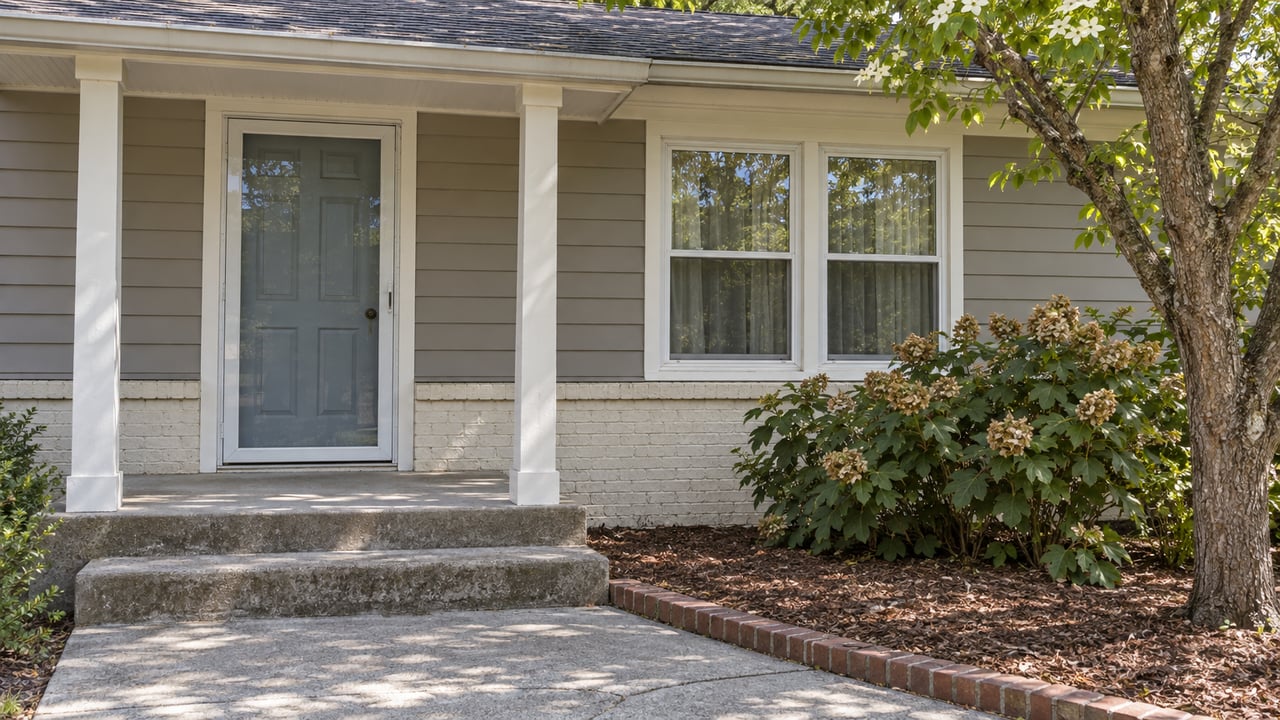
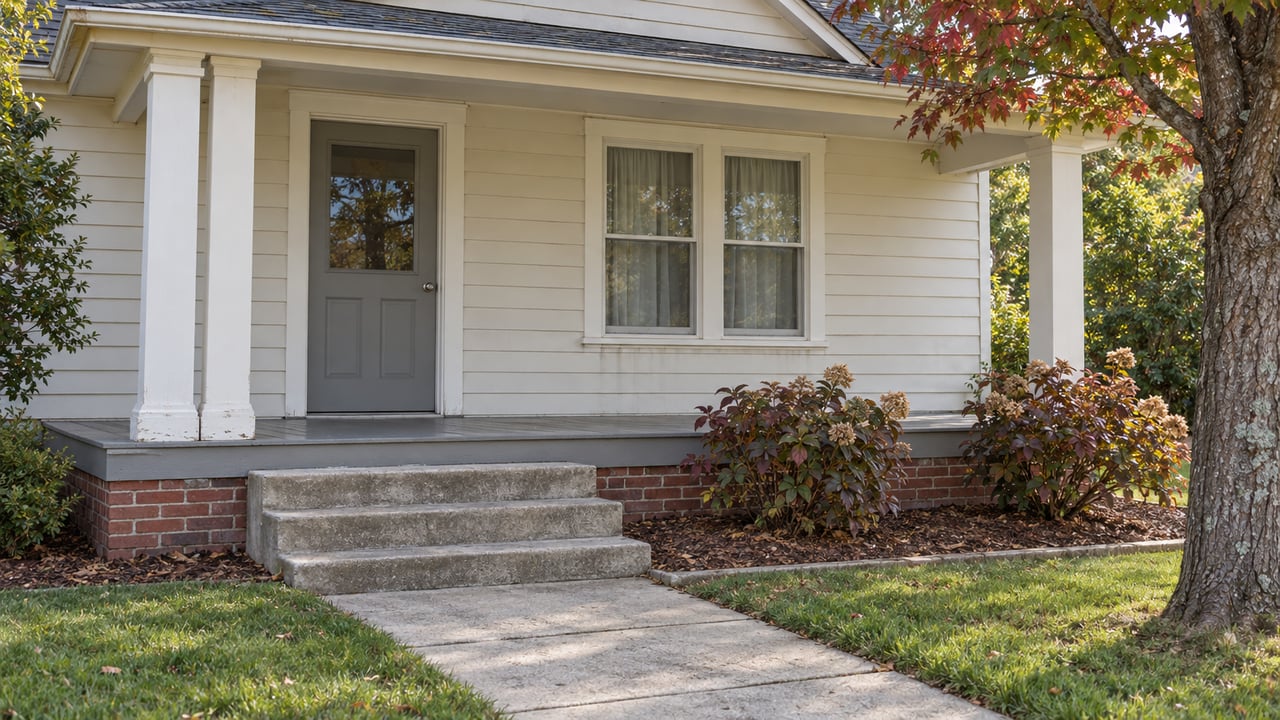
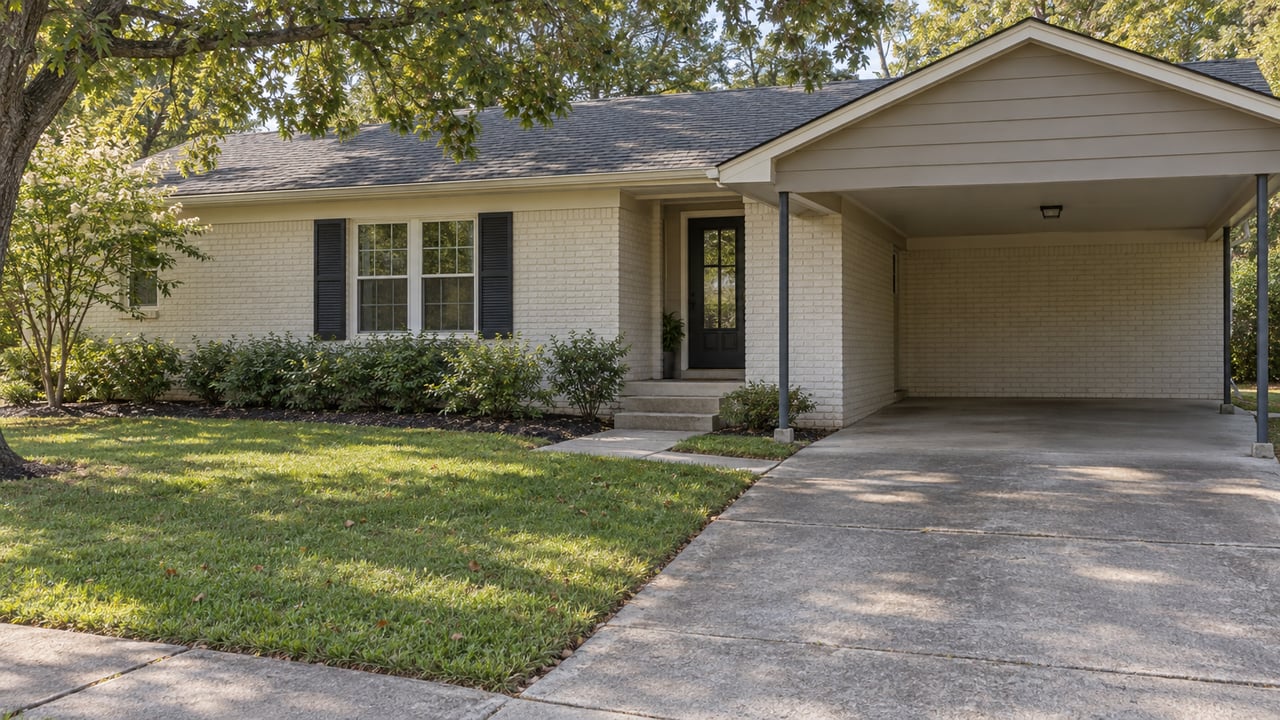
ITB tends to offer more variety from one block to the next. Market data for the area tracks detached homes, attached homes, and condos, which reflects a mixed housing stock. You may also see more irregular lot shapes and more visible differences in home age, updates, and design.
Older neighborhoods in central Raleigh have also seen newer infill over time. The City of Raleigh notes that in some historic areas, recent infill has tended to be larger and more luxurious than the original homes nearby. For you as a buyer, that can mean more character and more choices, but also more variation in condition and price within the same general area.
What you will typically see in North Raleigh
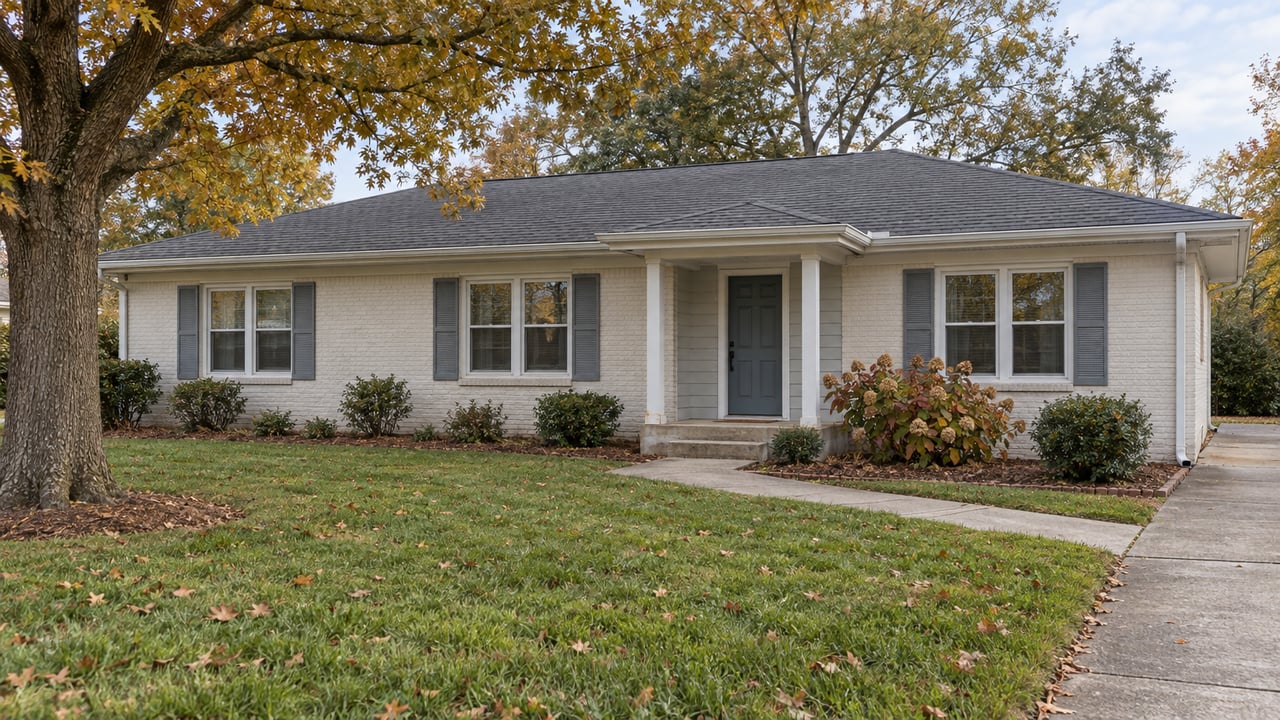
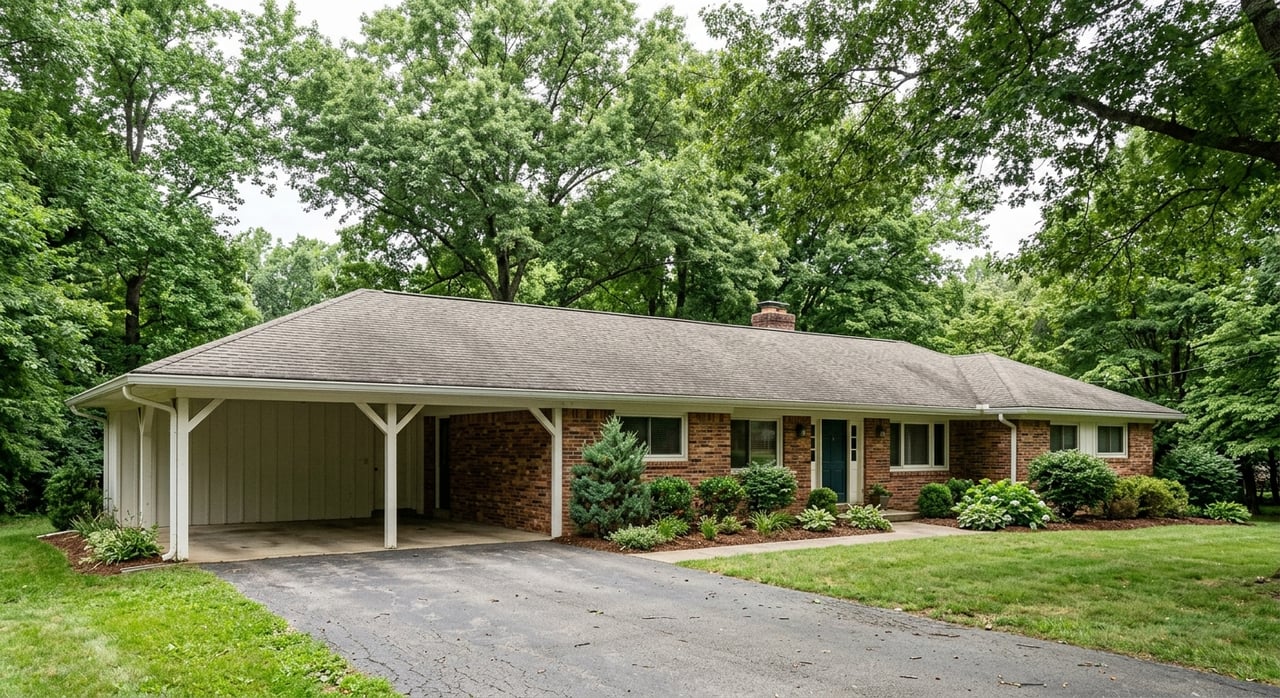
North Raleigh generally offers a more conventional suburban layout. Local sources describe large residential enclaves, and the area’s development pattern supports that image of more standardized subdivisions and neighborhood layouts.
That does not mean every home looks the same. It does mean you are more likely to find a consistent neighborhood rhythm, with homes that follow a more predictable pattern in size, setbacks, and lot arrangement. If you value less guesswork from one property to the next, that can be appealing.
What Your Budget May Buy
Price comparisons between ITB and North Raleigh need some caution because available snapshots come from different providers and time periods. Still, the broad trend is useful. Both areas generally sit above Raleigh’s citywide median, and ITB often carries a stronger premium for its central location.
Raleigh’s median sale price was reported at $424,746 in May 2026 by Redfin, while Zillow placed Raleigh’s home value at $427,083. North Raleigh was reported around $495,233 by Redfin, and Zillow showed a North Raleigh home value of $495,867 as of April 30, 2026. A Long & Foster market snapshot for Raleigh Inside the Beltline showed a median sold price of $502,595 in September 2025.
The main takeaway is that this is often not a simple choice between a cheaper area and a more expensive one. In many price bands, you are really deciding whether to spend your budget on central location and older neighborhood character or on a more conventional suburban setup with a different lifestyle pattern.
Market Pace and Negotiation Feel
North Raleigh and ITB can also feel different when you are actively house hunting. North Raleigh homes sold in about 28 days on average in one Redfin snapshot, and Realtor.com data showed a 99% sale-to-list ratio. That points to a market that can move quickly and stay close to asking price.
The ITB snapshot from Long & Foster showed 59 days on market, 4.0 months of supply, and a 97.8% sale-to-list ratio. Because the timing of these reports differs, it is best to read them directionally instead of as a perfect side-by-side comparison.
For you, that may mean North Raleigh can feel faster and more competitive in some periods, while ITB may offer a bit more inventory and a slightly wider negotiation range. Even so, individual homes can behave very differently depending on condition, updates, and exact location.
Lifestyle Tradeoffs That Matter
Why some buyers prefer ITB
If your routine revolves around central Raleigh, ITB has a strong convenience advantage. Downtown Raleigh includes destinations like the North Carolina Museum of Natural Sciences, Marbles Kids Museum, and a defined social district. Dix Park also offers one of the city’s largest park settings near the urban core.
The city is also investing in improved connectivity across I-440, including the Midtown Multimodal Bridge project. Greenway access is part of the picture too, with House Creek Trail running along the beltline. If you like a shorter path to downtown-oriented amenities and a more central feel, ITB may line up better with your goals.
Why some buyers prefer North Raleigh
North Raleigh often wins on convenience in a different way. Visit Raleigh describes the area as having hundreds of restaurants, large retail stores, entertainment complexes, parks, and recreation areas. Amenities like Shelley Lake Park, Durant Nature Preserve, North Hills Park, and the Crabtree Creek Greenway help support that more self-contained suburban feel.
North Raleigh can also work well if your travel patterns lean north and west. Local sources note easier access to I-540, which can make trips toward Research Triangle Park and RDU International Airport more convenient. If your routine includes regular airport travel or a commute tied to that side of the metro, this can be a meaningful advantage.
Which Area Fits Your Priorities?
Choose ITB if you value:
- Proximity to central Raleigh
- Older homes with more architectural variety
- Neighborhood character shaped by earlier development
- Faster access to downtown amenities and city parks
- A location-first approach, even with more variability in lot size and home condition
Choose North Raleigh if you value:
- More conventional suburban neighborhood layouts
- Large residential enclaves and a more predictable streetscape
- Easier access to north-side retail, parks, and recreation
- Commute patterns that benefit from I-540 access
- More breathing room around home and yard
A Smarter Way to Compare Homes
When buyers look at ITB and North Raleigh, it helps to compare more than list price. Two homes with similar asking prices may deliver very different experiences depending on where they are located and how the neighborhood developed over time.
As you narrow your search, focus on a few practical questions:
- Do you want central access or more suburban convenience?
- Are you comfortable with older housing stock and renovation differences?
- Is lot consistency important to you?
- Will your routine center on downtown Raleigh, RTP, or RDU?
- Do you want neighborhood character, or do you want a more predictable subdivision feel?
Those answers often matter more than broad assumptions about which area is the better deal. In Raleigh, the better fit is usually the area that matches your everyday priorities.
If you are weighing ITB against North Raleigh, a local side-by-side strategy can save you time and help you spot the tradeoffs more clearly. Charles Christiansen can help you compare homes, neighborhoods, and market timing so you can move forward with confidence.
FAQs
How is Inside the Beltline defined in Raleigh?
- Inside the Beltline usually refers to the central part of Raleigh inside I-440, which the City of Raleigh uses as the beltline reference.
Are home prices higher in Inside the Beltline or North Raleigh?
- Both areas are generally above Raleigh’s citywide median, and available market snapshots suggest ITB often carries a central-location premium, while North Raleigh also trends above the city median.
What kinds of homes are common in Inside the Beltline?
- ITB typically has a more mixed housing stock, including detached homes, attached homes, and condos, along with older homes and newer infill in some areas.
What kinds of homes are common in North Raleigh?
- North Raleigh generally features more conventional suburban layouts with large residential enclaves and a more consistent neighborhood pattern.
Is North Raleigh better for commuting to RTP or RDU?
- North Raleigh may be a better fit if your routine depends on easier access to I-540, Research Triangle Park, or RDU International Airport.
Is Inside the Beltline better for downtown Raleigh access?
- ITB usually offers a shorter path to downtown Raleigh amenities, central parks, greenways, and other city-core destinations.