Thinking about a move to Apex and need a fast way to narrow neighborhoods and plan your commute to RTP or RDU? You are not alone. Many transferees want a quick, clear path to a great fit without wasting weekends. In this guide, you will learn how Apex neighborhoods line up with commute priorities, which corridors matter most, how to use transit or park-and-ride when helpful, and a simple first-tour plan you can run in 60–90 minutes. Let’s dive in.
How Apex fits RTP and RDU life
Apex sits in southwestern Wake County and serves as a suburban base for jobs in Raleigh, Research Triangle Park, and the Raleigh–Durham International Airport. The town has a historic downtown, steady growth, and a strong focus on parks, greenways, and local retail. For many buyers, the winning formula is a balance of commute access, everyday convenience, and greenway connectivity.
If you are exploring the area, the Town of Apex is a helpful starting point for maps, parks, greenways, and downtown events. Public schools are part of the Wake County Public School System. You should confirm current school assignment maps and transportation details directly with the Wake County Public School System, since boundaries and capacities change.
Match neighborhood type to your commute
Rather than starting with dozens of subdivision names, sort Apex neighborhoods into four types. Each one lines up with a common commute and lifestyle tradeoff.
Historic and Downtown Apex
Older homes, tree-lined streets, and walkable access to shops and restaurants define this area. You gain downtown energy and a short routine to coffee or weekend events. The tradeoff is a less direct route to RTP and RDU, which can add variance to peak-hour drive times. Greenways and community spaces are close, so daily errands can feel simple and local.
Mid-suburban near US 64 and Apex Peakway
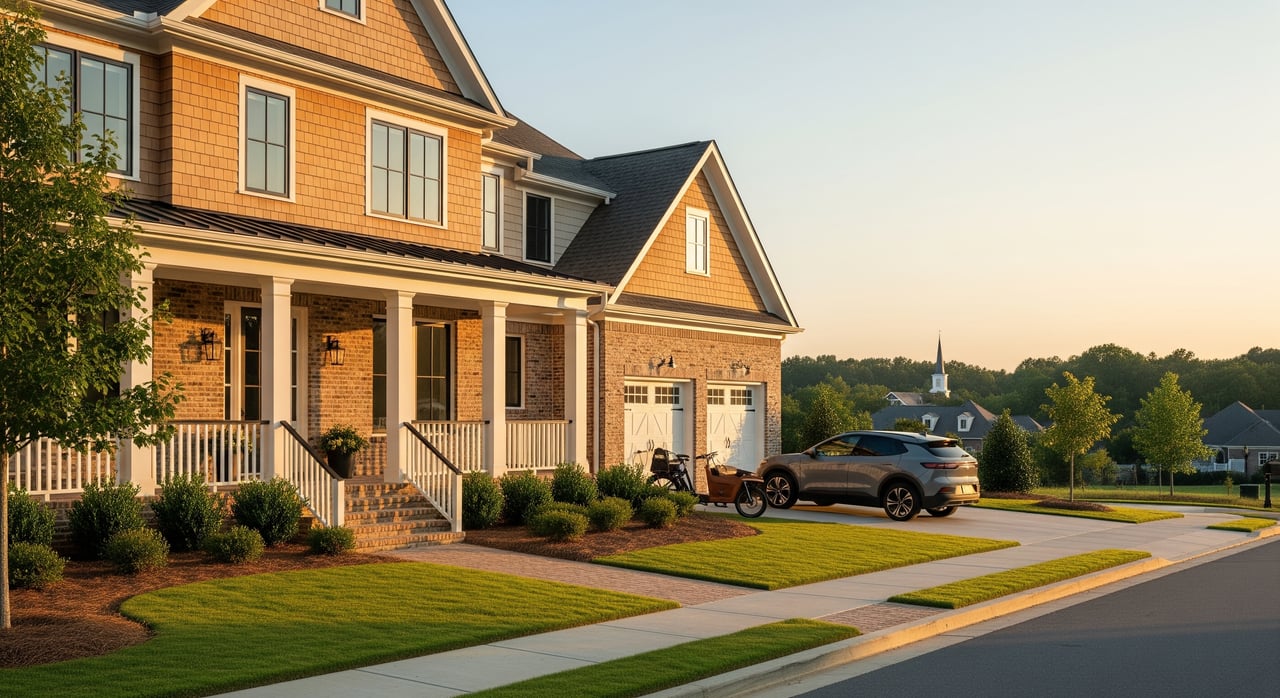
Newer homes and townhomes cluster near US 64 and commercial corridors. You get balanced lots, grocery and pharmacy access within a short drive, and greenways planned into many communities. Commuters benefit from quicker links toward Cary and I-40. If predictable drives to RTP are a priority, this zone often strikes the best balance of yard space and highway access.
West and Northwest Apex near NC 540
Master-planned communities toward Cary and Morrisville often deliver the most consistent commute times to RTP and RDU via NC 540 and I-40. Frequent travelers and shift workers tend to prefer this area for its direct access to expressways. Newer neighborhoods may include internal trails and connections to regional greenways. Parts of NC 540 operate with toll segments, so factor that into monthly costs.
Outlying and exurban Apex to the south and east
Here you trade commute time for space. Larger lots and a more open feel are the draw. Daily drives can be more variable, especially during peak windows, and access to express corridors often takes longer. Greenway access varies, so check the nearest trailheads during a preview.
Commute corridors you should know
Apex commuters typically rely on a few key routes. Knowing which one a neighborhood feeds into will tell you a lot about daily travel.
- US 64 and Apex Peakway: Main east–west access toward Cary and I-40. Many neighborhoods funnel to this corridor.
- NC 55 and local connectors: Useful for short trips toward Cary and Morrisville job centers.
- NC 540 Triangle Expressway: A limited-access loop that speeds trips to Morrisville, RTP, and RDU from west and northwest Apex. Toll segments may apply.
- I-40 and I-440: Regional interstates you will likely use after reaching the Cary or RTP side from Apex.
- Local arterials such as Olive Chapel Road and Apex Peakway connectors: The first and last mile of your commute.
For regional planning and road project updates that can affect travel, check the North Carolina Department of Transportation.
If you work in RTP
- Most Apex-to-RTP commutes use US 64 or NC 540 to connect into the I-40 corridor.
- West and northwest neighborhoods with quick NC 540 access often see shorter, more consistent peak-hour drives.
- Downtown and southern areas usually add time on local arterials before you reach an express corridor.
A practical rule of thumb: neighborhoods that rely on NC 540 or a short hop to US 64 can see peak trips closer to 20–30 minutes, while routes that meander across arterials can stretch to 35–50 minutes or more. Times vary by incident and day, so always verify with a traffic app.
If you fly from RDU
RDU sits northwest of Apex. The fastest routes usually combine NC 540 and I-40 through Cary or Morrisville. If you travel often, living close to NC 540 can reduce exposure to congestion. For airport services, parking, and ground transport, consult Raleigh–Durham International Airport before your trip.
Transit, park-and-ride, and other options
Regional bus service exists across the Triangle, though suburban Apex coverage is lighter than in core city areas. Review routes, park-and-ride lots, and any new express options on GoTriangle. Some residents drive a few minutes to a park-and-ride, then use an express bus for the longer leg of the commute.
Direct public transit to RDU may require transfers, so many Apex travelers drive to the airport for predictability. Rideshare and shuttles are available through the airport. If you are aiming to reduce car trips near home, greenways and multi-use paths can make short rides to schools, parks, or downtown more practical.
Greenways, parks, and daily convenience
Apex invests in connected greenways that link neighborhoods, parks, and downtown. These trails add real daily value for dog walks, school runs, and quick bike trips. When you preview a home, look for a trailhead within a 5–10 minute walk and note any planned expansions that could improve future connectivity. Find maps and park details through the Town of Apex.
For everyday errands, grocery stores and pharmacies cluster along major corridors, so most suburban neighborhoods keep essentials within a short drive. Primary and urgent care are available in town. For specialized care, many residents use facilities in Cary, Raleigh, or RTP.
Your 60–90 minute first tour plan
If you are short on time, this simple route shows the key commute and lifestyle tradeoffs in one outing.
- Start downtown for walkability and character. Grab a quick look at historic streets and note the drive time to your workplace during a typical morning.
- Head to a mid-suburban neighborhood near US 64. Check how fast you reach the highway and where the closest grocery, pharmacy, and childcare are located.
- Finish in west or northwest Apex near NC 540. Drive the on-ramp and simulate part of the route toward RTP or RDU.
Before you go:
- Preselect two or three stops that represent different neighborhood types.
- Confirm the primary highway used from each listing. Ask which route the sellers take and why.
- If schools matter, confirm current assignment maps with the Wake County Public School System.
On site at each stop:
- Drive a portion of the morning route, even if off-peak, and note choke points.
- Walk to the nearest greenway access and time it.
- Check grocery, pharmacy, and childcare drive times.
- Observe road noise near major corridors.
After the tour:
- Use a traffic app to verify peak travel windows for your typical shift.
- If you might use transit, confirm current routes and park-and-ride options on GoTriangle.
- For frequent flyers, run the RDU route during typical departure times and note parking choices on RDU’s site.
How we help you relocate seamlessly
You deserve a move that feels organized and confident. With neighborhood-level guidance across Apex and the Triangle, and the resources of Coldwell Banker Howard Perry & Walston behind you, we help you match commute priorities with daily life needs, schedule efficient tours, and coordinate relocation details through trusted in-house partners. Whether you are buying now or planning a staged move with a rent-to-buy timeline, we tailor the plan to your schedule and budget.
Ready to shortlist neighborhoods and test routes with a guided first tour? Reach out to Charles Christiansen for local, hospitality-driven service and a clear path from search to keys.
FAQs
What Apex neighborhoods work best for RTP commutes?
- Neighborhoods with direct NC 540 access or quick connections to US 64 toward Cary and Morrisville typically provide the most consistent RTP drive times.
Is transit a realistic daily option from Apex to RTP or RDU?
- Some GoTriangle routes and park-and-ride options exist, but most Apex commuters still drive; check GoTriangle for current schedules and lots.
How much does NC 540 access really matter for RDU travel?
- Living near NC 540 reduces exposure to US 64 congestion and can make airport trips more predictable, especially during peak windows.
Will choosing a downtown Apex home add to my commute?
- Often yes, because you will travel local streets before reaching express corridors, but many buyers value downtown walkability and community events.
How do I verify schools when house hunting in Apex?
- Confirm current assignments and transportation details directly with the Wake County Public School System, since maps and capacities can change.