If you are wondering whether you missed the best moment to sell in Raleigh, you are not alone. Many homeowners are trying to balance shifting prices, changing mortgage rates, and a market that feels active but no longer frenzied. The good news is that smart timing is still possible, and it has less to do with chasing a perfect date than with preparing well and reading current conditions clearly. Let’s dive in.
Raleigh market conditions now
Raleigh and Wake County are still moving, but the market has cooled compared with the peak years. March 2026 data showed more active listings, slightly lower pricing, more price reductions, and longer selling timelines than a year earlier. That creates a more negotiable environment for buyers and a more strategic one for sellers.
In Raleigh, Realtor.com reported 1,508 active listings in March 2026, up 11.8% year over year. The median list price was $462,500, down 2.6%, and 19.9% of listings had a price reduction. Median days on market came in at 48 days.
Redfin showed a similar pattern, even though the numbers differ by source. Its Raleigh data showed homes selling in about 43 days on average, with a median sale price of $420,000, down 1.4% from a year earlier. At the Wake County level, Realtor.com reported about 8.2K active listings, a 37-day median on market, and a 99% sale-to-list ratio.
The exact figures vary because the sources use different boundaries and methods. Still, the broader takeaway is consistent: buyers have more options, homes are taking longer to sell, and pricing discipline matters more than it did during the fastest market conditions.
What this means for sellers
If you are selling in Raleigh today, you may still have strong interest if your home is well-positioned. But you should not expect a weekend bidding frenzy simply because inventory remains limited by long-term standards. The market is giving buyers a bit more room to compare homes, pause, and negotiate.
That means your timing decision should include more than the month on the calendar. You also need to consider your home’s condition, your pricing strategy, how many competing listings are nearby, and whether mortgage rates are helping or shrinking the active buyer pool.
Why spring still matters
Spring remains the most defensible season for many Raleigh sellers. According to Raleigh Regional Association of REALTORS, spring is traditionally the most active time for home buying in Greater Raleigh, supported by stronger buyer activity, migration, and move-up demand.
That seasonal pattern also shows up in broader listing research. National studies have found that spring and late spring often produce the strongest seller outcomes, though the exact best week changes from year to year. In Zillow’s 2025 metro analysis, Raleigh-Cary’s best listing week was April 13, with a 6.5% premium, or about $29,000 on a typical home.
The important point is not the exact date. It is the pattern behind it. Spring and late spring tend to bring more motivated buyers into the market, which can improve traffic and support stronger offers.
The tradeoff of waiting too long
There is a catch, though. When more buyers enter the market in spring, more sellers often do too. A later spring listing may benefit from stronger seasonal demand, but it can also face more competition from other homes hitting the market at the same time.
That matters in Raleigh right now because inventory is already higher than it was a year ago. If you wait too long, especially into late June, you may gain some seasonal momentum but lose some of your edge as buyers compare a wider field of options.
For many sellers, the best answer is to launch during spring or late spring only if the home is truly ready. If it is not, a short delay to improve presentation may be worth more than trying to force an earlier date.
Preparation beats guesswork
In a shifting market, preparation often has a bigger impact than trying to predict one perfect week. Local data suggest homes in Raleigh and Wake County are generally taking about 37 to 48 days to sell, depending on the source. With nearly 1 in 5 Raleigh listings showing a price reduction in March 2026, a weak launch can cost you time and negotiating power.
A strong launch usually starts months before your listing goes live. Zillow notes that most sellers begin thinking about selling three to four months before they actually list. That timeline gives you room to make practical improvements and create a clean marketing plan without rushing.
For many homeowners, preparation includes:
- Decluttering and depersonalizing main living areas
- Handling visible repairs and deferred maintenance
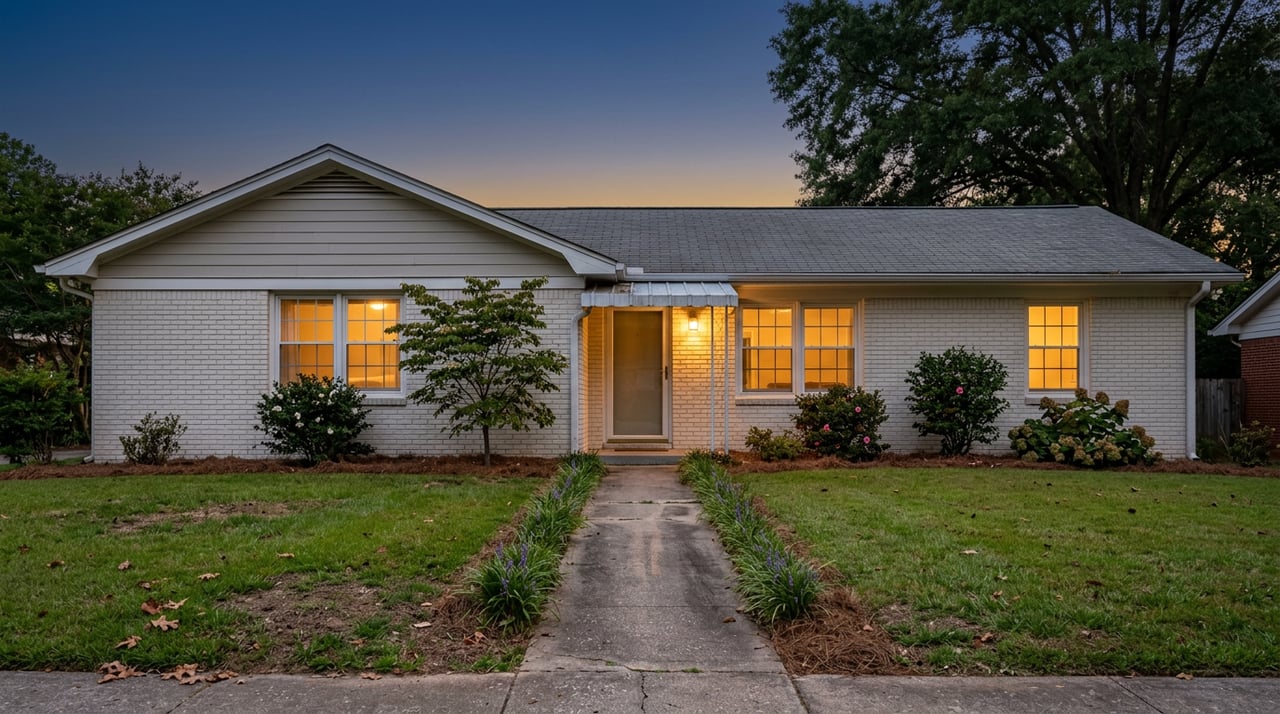
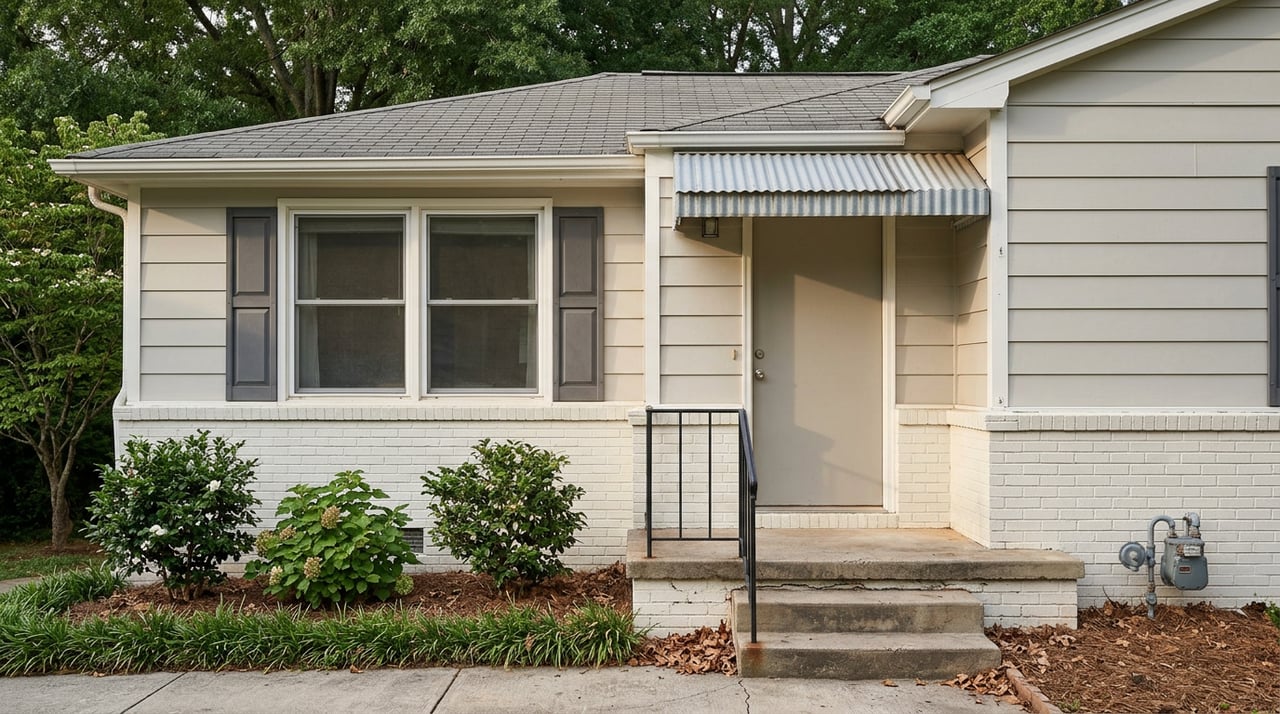
- Improving curb appeal
- Gathering pricing guidance before choosing a list price
- Planning professional photography and digital presentation
- Thinking through timing for your next move
This is where a full-service approach can make a difference. If you have access to staging and marketing support, you can often create a stronger first impression and avoid becoming one of the listings that needs a price cut later.
Pricing from day one matters more now
When the market was moving at peak speed, some homes could outrun ambitious pricing. In today’s Raleigh market, overpricing is more likely to lead to extra days on market and a later reduction. Buyers have more inventory to compare, and many are watching value closely because monthly payments remain sensitive to mortgage rates.
Wake County’s reported 99% sale-to-list ratio shows that well-priced homes can still sell very close to asking price. But that does not mean every list price will be accepted by the market. It means the homes that align with current demand are still being rewarded.
A pricing strategy should reflect current competition, not just last year’s headlines or a neighbor’s peak-market result. In a more balanced environment, realistic pricing can protect your leverage and increase the odds of stronger early activity.
Mortgage rates can change your timing
Mortgage rates are not just a financing story for buyers. They also affect how many buyers are actively shopping for your home. Freddie Mac reported the 30-year fixed mortgage rate at 6.30% on April 30, 2026, down from 6.76% a year earlier.
Freddie Mac also reported that purchase demand had accelerated to more than 20% above last year as modestly lower rates and more inventory brought buyers back into the market. That is a useful reminder for sellers: even small rate changes can shift showing activity and buyer confidence.
If rates trend down, more shoppers may reenter the market and expand your buyer pool. If rates move up, some buyers may pause or lower their budget. That is why it usually makes more sense to watch rate direction than to wait for a perfect low that no one can predict.
Should you wait for rates to fall?
Usually, no. Waiting only for rates to drop can leave you stuck in a holding pattern while inventory changes around you. By the time rates improve noticeably, more sellers may also decide to list, which can increase competition.
A better approach is to weigh rates alongside local inventory, days on market, and your home’s readiness. If your home is prepared, priced well, and entering the market during an active seasonal window, that combination often matters more than trying to guess the next rate move.
A practical timing strategy for Raleigh sellers
If you are trying to choose the right moment, think in terms of readiness plus market window. Spring still offers a strong setup, but only when your home can enter the market in polished condition with a pricing strategy grounded in current Raleigh and Wake County data.
A simple framework can help:
Sell sooner if your home is ready
If your home is clean, updated, and list-ready now, entering the market during spring or late spring may help you capture active buyer demand. You may also benefit from getting ahead of some of the added inventory that can build later in the season.
Delay briefly if preparation will pay off
If your home needs repairs, decluttering, staging, or stronger presentation, a short delay may be worth it. In a market where price reductions are common, improving condition before launch can be more valuable than rushing to market half-ready.
Avoid waiting without a plan
If you decide to wait, make sure there is a clear reason. Delaying without improving condition, pricing strategy, or market positioning can simply move you into a more competitive window.
The bottom line on timing your sale
For most Raleigh homeowners, the best time to sell is not about finding a magic date on the calendar. It is about aligning your listing with a period of active demand, watching rate and inventory trends, and making sure your home is ready to compete from day one.
In today’s market, preparation and positioning matter as much as seasonality. If you price thoughtfully, present your home well, and launch with a clear plan, you can still sell successfully in Raleigh even as the market continues to shift.
If you are thinking about selling in Raleigh or anywhere in Wake County, Charles Christiansen can help you evaluate your timing, pricing, and presentation so you can move forward with confidence.
FAQs
How long does it take to sell a home in Raleigh right now?
- Current Raleigh and Wake County data point to roughly 37 to 48 days on market, depending on the source and geography.
Is Raleigh still a seller’s market for homeowners?
- It depends on the submarket, but current data show steady demand alongside more inventory, more price reductions, and longer selling timelines than a year ago.
Does listing in spring help Raleigh sellers get more money?
- Spring and late spring often bring stronger buyer demand, but the result depends on your home’s condition, pricing, and the number of competing listings.
Should Raleigh sellers wait for mortgage rates to drop before listing?
- Usually not. It is often smarter to watch the direction of rates while also considering inventory, days on market, and whether your home is ready to list.
What matters most when timing a home sale in Wake County?
- The biggest factors are preparation, accurate pricing, presentation, local competition, and launching during an active demand window rather than chasing a perfect date.