If you want to live near UNC-Chapel Hill, your day-to-day routine can look very different depending on where you land. Some areas put you close to downtown, campus, and transit, while others give you a quieter residential feel with parks and trails still within reach. If you are weighing convenience, housing style, and everyday mobility, this guide will help you understand what living near UNC can really look like. Let’s dive in.
What life near UNC looks like
Living near UNC-Chapel Hill often means being connected to more than just the university. Downtown Chapel Hill serves as the area’s economic and cultural center, and it is closely tied to UNC and the border with Carrboro. The Town describes downtown as a place centered on dining, events, and everyday public life.
That setting can shape how you spend your time. Depending on where you live, you may be able to build more of your routine around walking, biking, and transit instead of driving for every errand. For many buyers and relocators, that is one of the biggest lifestyle draws near campus.
Getting around Chapel Hill
Transit is part of daily life
Chapel Hill Transit is a major factor for many people who live near UNC. The system has been fare-free for more than 20 years, serves Chapel Hill, Carrboro, and UNC, and operates 21 routes seven days a week. That kind of coverage can make everyday routines more flexible.
The Town’s common destinations map shows UNC Campus and UNC Hospitals on most routes. UNC Health places the medical center at 101 Manning Drive in Chapel Hill. If you work, study, or spend regular time at either location, transit access can be a real advantage.
Car-light living is more realistic here
The transit network also reaches places many people use every week. The Town lists destinations such as Chapel Hill Public Library, University Place, Eastgate, Rams Plaza, parks, and community facilities across the system map. That means errands, appointments, and recreation may be easier to manage without relying on a car for every trip.
Chapel Hill also frames mobility around walking and biking. The Town says it is committed to safe, convenient bicycling and walking, and it maintains about 17.6 miles of greenways and trails. For buyers who want more transportation options, that can be a meaningful part of everyday life.
Housing patterns near campus
Close-in neighborhoods often have older homes
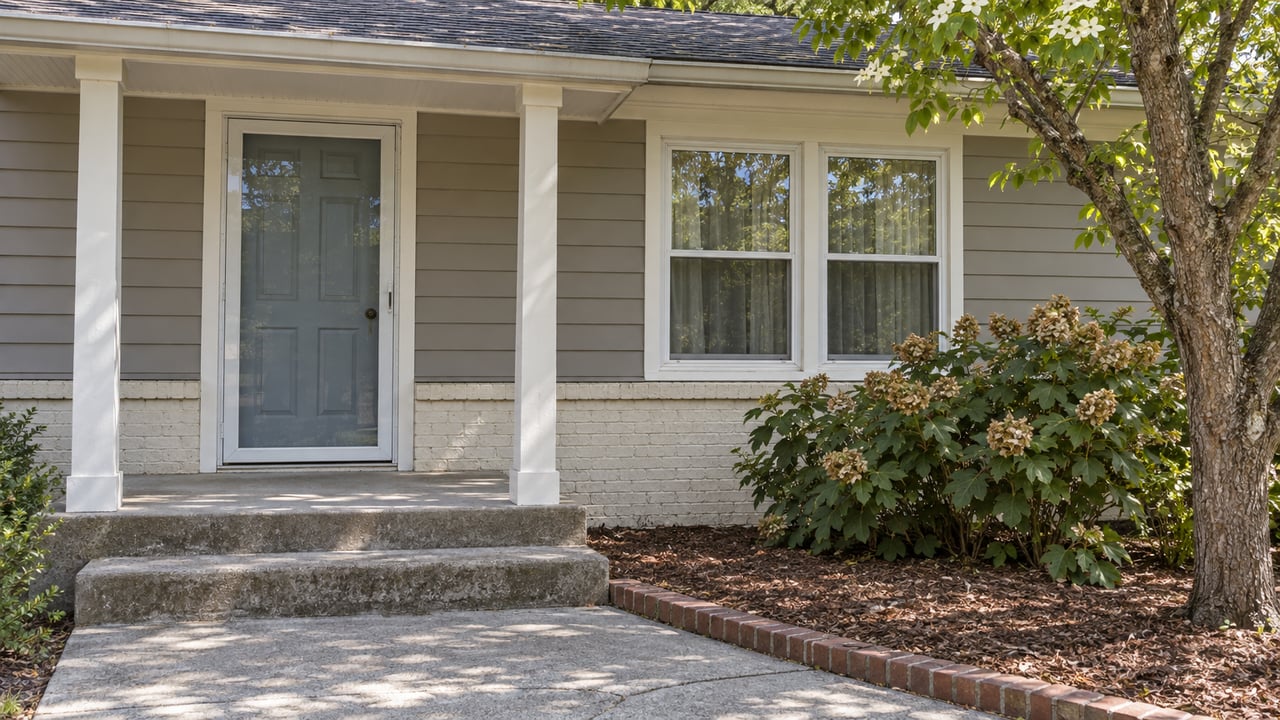
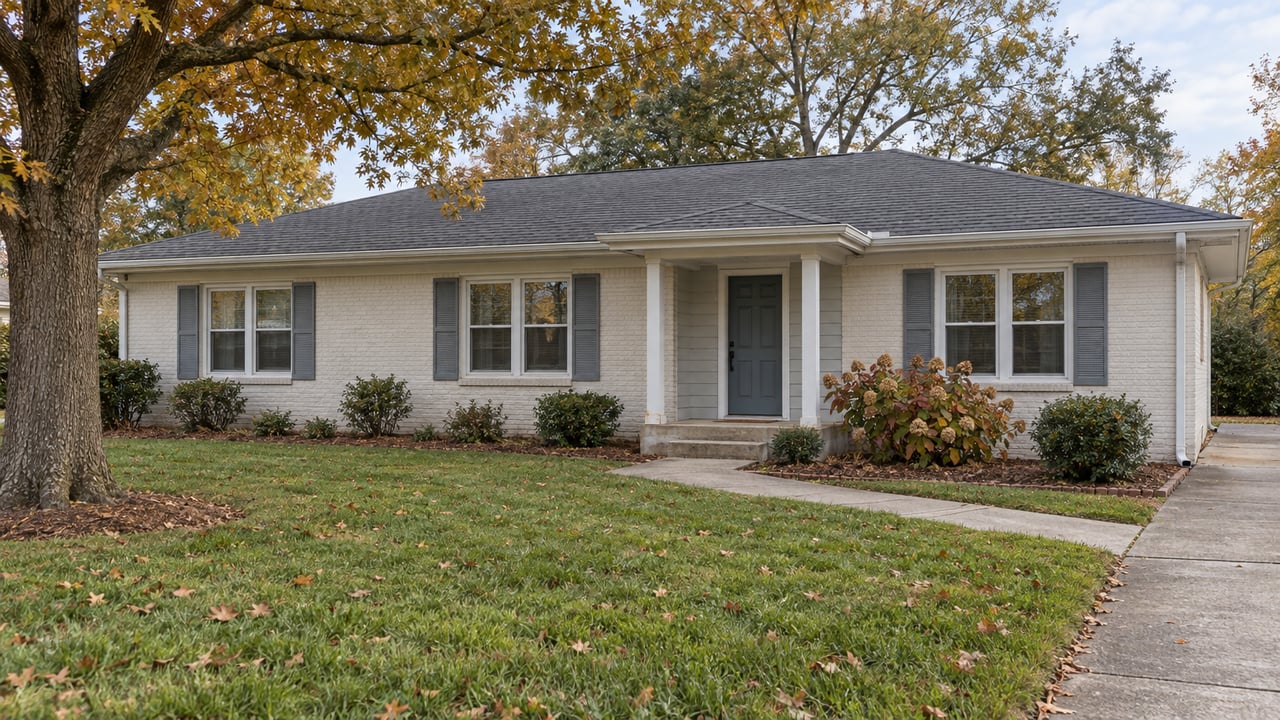
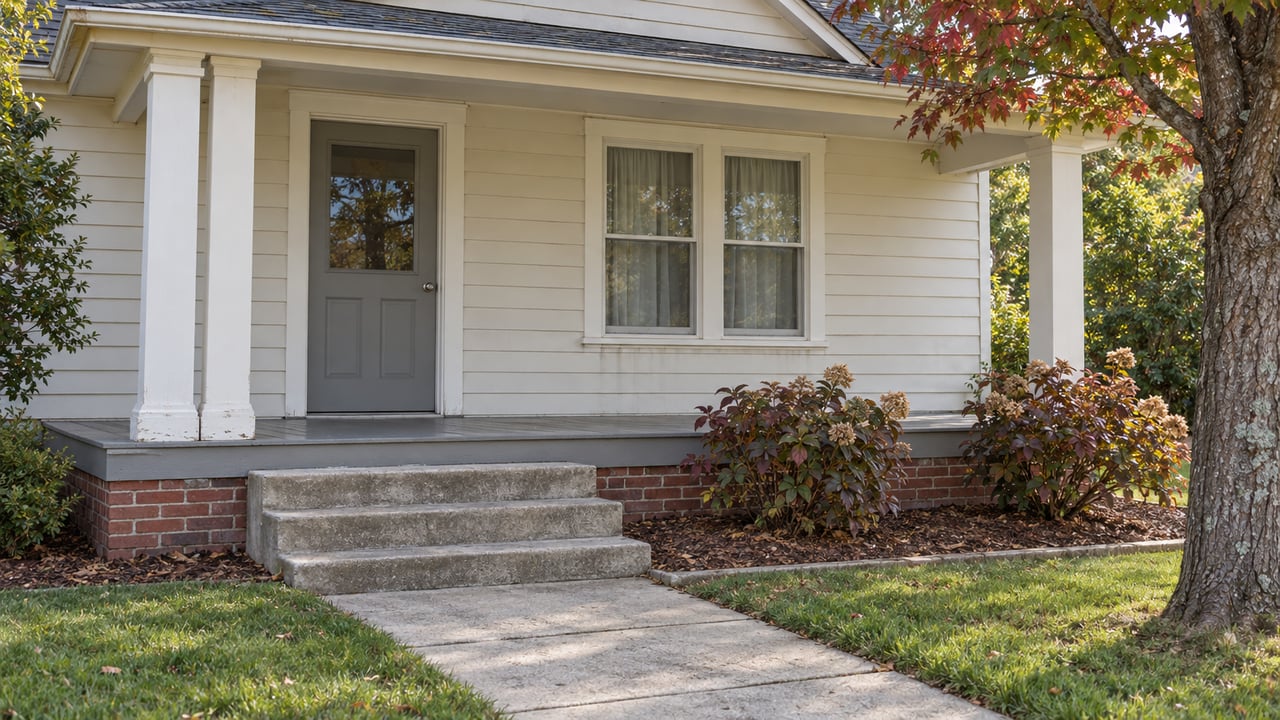
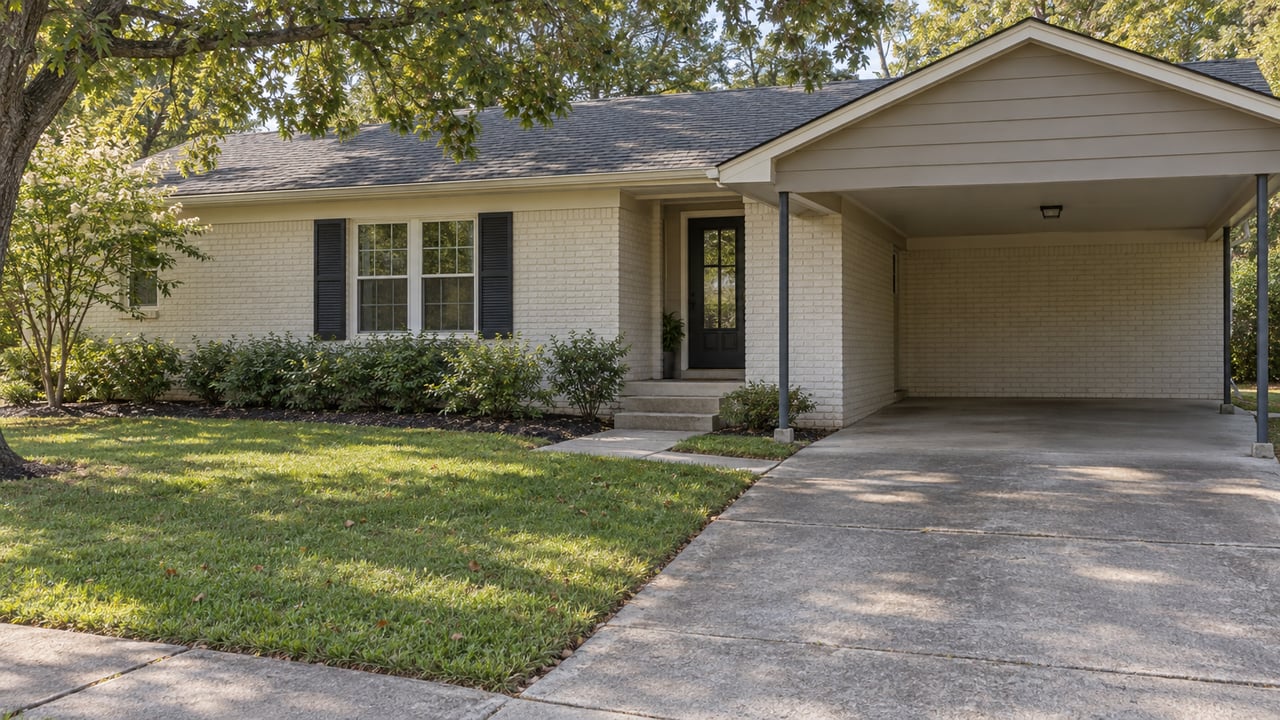
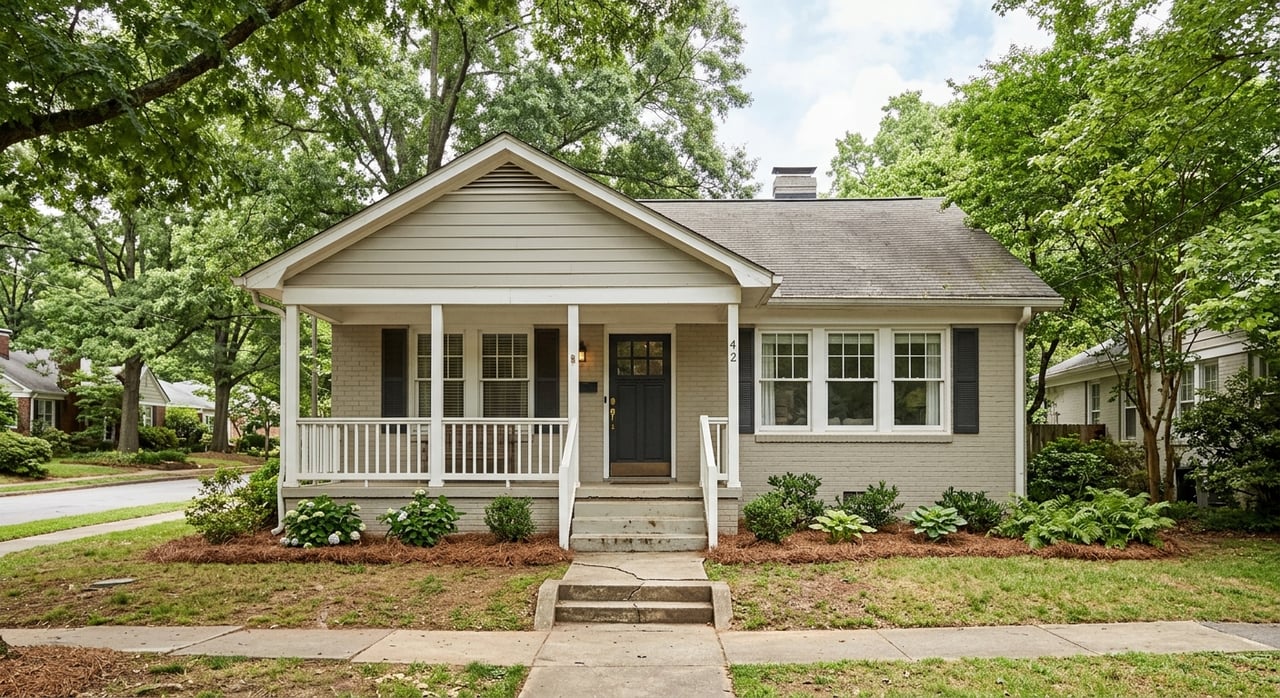
Housing near UNC is not one-size-fits-all. In the neighborhoods closest to campus and downtown, homes often reflect older development patterns and more established streetscapes. That can appeal to buyers looking for character, location, and a more traditional in-town feel.
Northside is one example. The Northside Neighborhood Initiative says Northside sits near UNC and downtown, was historically the largest African American community in Chapel Hill, and today includes single-family houses with a notable student-rental presence and declining owner-occupied housing.
Preservation rules can affect your options
Some close-in neighborhoods also come with local design or preservation requirements. Chapel Hill’s overlay district materials say Franklin-Rosemary, Cameron-McCauley, and Gimghoul are local historic districts. In those districts, exterior changes require a Certificate of Appropriateness.
The Town also notes that Northside and Pine Knolls are Neighborhood Conservation Districts with their own guidelines. In Pine Knolls, the district plan says the standards were created to preserve the character of an older neighborhood and apply to single-family homes and single-family dwellings with accessory apartments. If you are considering a home near campus, these rules are worth understanding early.
Neighborhood styles and tradeoffs
Close to campus means stronger access
If your top priority is being near UNC, downtown, or the hospital area, living closer to the core usually offers the strongest walkability and transit access. It can also mean quicker access to the public spaces, events, and daily activity that define central Chapel Hill. For many buyers, that convenience is the main reason to focus on close-in neighborhoods.
At the same time, the tradeoff can include older housing stock, more rental turnover, and more design-review considerations. The Town’s neighborhood and planning materials point to this pattern in areas such as Northside, Pine Knolls, and the historic districts near downtown.
A little farther out can feel more residential
Moving a bit farther from campus can shift the feel of daily life. You may trade some immediacy for more open space, more residential surroundings, and easier access to parks or trails. For some buyers, that balance feels more practical for the long term.
Southern Village is a useful example. Town records describe it as a mixed residential area where single-family homes coexist with apartment-type, multiunit structures, and townhomes. The current park-and-ride page also shows that Southern Village remains connected to Chapel Hill Transit.
Meadowmont offers another connected option
Meadowmont is another neighborhood that helps show the range of living near UNC. The Town’s common destinations page places Meadowmont on the transit map, showing that residents can stay connected to campus and shopping while living in a more residential pocket. That can appeal to people who want connection without being in the middle of the busiest areas.
The surrounding recreation options also matter. Chapel Hill Parks and Recreation maintains more than 730 acres of public spaces, and Meadowmont Park includes athletic fields, indoor basketball courts, picnic shelters, a pond, and trails. The Town also says the greenway system is designed to help residents move between homes, parks, and shopping areas.
Everyday errands, parks, and routines
Where you live near UNC can change how simple your daily routine feels. In some areas, transit can connect you to work, medical appointments, shopping, and library visits. In others, trail access and parks may be just as important to how you use the neighborhood.
That is why lifestyle fit matters as much as square footage. If you want quick access to campus, downtown activity, and frequent transit, close-in areas may make the most sense. If you want more breathing room while staying connected, neighborhoods like Southern Village and Meadowmont show how that balance can work.
What buyers should think about first
Before you choose a home near UNC-Chapel Hill, it helps to think about your routine before you think about the floor plan. Ask yourself how often you expect to be on campus, downtown, at UNC Hospitals, or at other regular destinations. The answer can narrow your search quickly.
A few practical questions can help:
- Do you want to walk, bike, or use transit for part of your week?
- Do you prefer an older home with established surroundings?
- Are you open to neighborhoods with conservation or historic design rules?
- Would you rather have a more residential setting with parks and trails nearby?
- How important is easy access to shopping, library services, and civic destinations?
For households planning around public schools, Chapel Hill-Carrboro City Schools is the local district. The district says it serves more than 11,000 students and operates four high schools, four middle schools, and eleven elementary schools. Its current school list includes neighborhood elementary schools such as Glenwood, Estes Hills, Rashkis, Seawell, and Northside Elementary, along with a school for students being treated at UNC Hospital.
Finding the right fit near UNC
Living near UNC-Chapel Hill is best understood as a spectrum rather than a single neighborhood type. On one end, close-in historic areas offer stronger campus access and a more urban, established feel. On the other, planned communities and transit-linked residential pockets can offer more space, more open space, and still-solid day-to-day connections to the university.
The right choice depends on how you want to live, not just where you want to be on a map. If you are comparing Chapel Hill neighborhoods and want help weighing housing style, access, and daily routine, Charles Christiansen can help you find the fit that makes sense for your move.
FAQs
What is daily life like near UNC-Chapel Hill?
- Daily life near UNC-Chapel Hill can include easy access to downtown Chapel Hill, dining, events, public spaces, transit, and greenways, depending on where you live.
What transit options are available near UNC-Chapel Hill?
- Chapel Hill Transit serves Chapel Hill, Carrboro, and UNC with 21 fare-free routes running seven days a week, and UNC Campus and UNC Hospitals are served by most routes.
What kind of housing is common near UNC-Chapel Hill?
- Housing near UNC-Chapel Hill ranges from older single-family homes in close-in neighborhoods to mixed residential areas with single-family homes, townhomes, and multiunit housing in places like Southern Village.
What should buyers know about historic districts near UNC-Chapel Hill?
- Buyers should know that local historic districts such as Franklin-Rosemary, Cameron-McCauley, and Gimghoul require approval for exterior changes, and Neighborhood Conservation Districts like Northside and Pine Knolls have their own guidelines.
What parks and recreation options are available near UNC-Chapel Hill?
- Chapel Hill Parks and Recreation maintains more than 730 acres of public spaces, and places like Meadowmont Park offer trails, athletic fields, picnic shelters, a pond, and indoor basketball courts.
What school district serves homes near UNC-Chapel Hill?
- Homes near UNC-Chapel Hill are served by Chapel Hill-Carrboro City Schools, which includes four high schools, four middle schools, and eleven elementary schools.